Integrated Home Energy

Power your home with one intelligent energy system.

Solar generation, battery storage, heat pumps, air conditioning and EV charging — designed together as one coordinated project, or phased precisely for your property.

Assessment-led design · Multi-brand equipment · UK and Europe
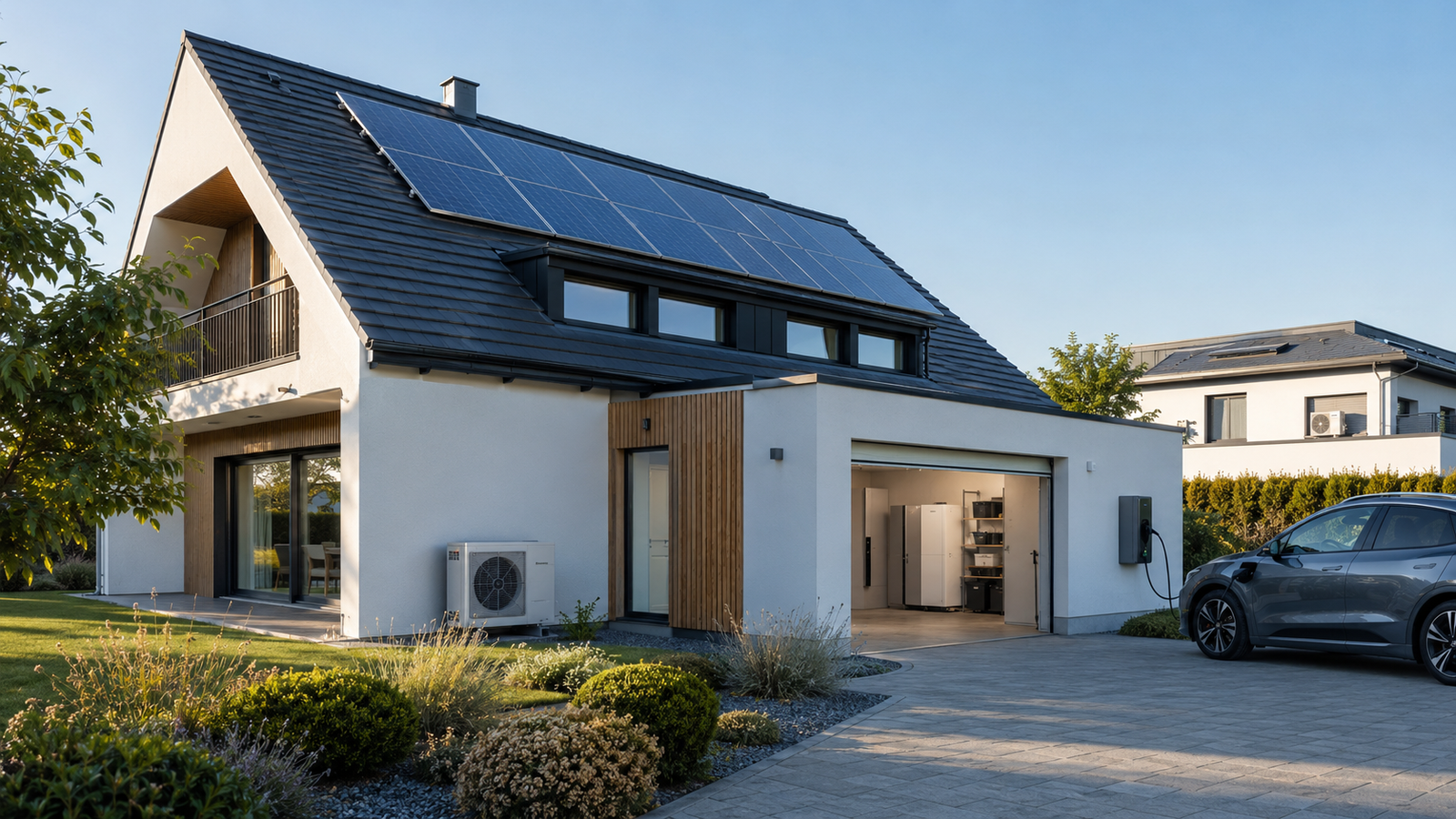
Modern home with integrated energy system
One coordinated system design
Assessment before equipment recommendation
Multi-brand equipment comparison
UK and European residential projects

Four technologies. One connected home.

Each technology - solar, battery storage, heating and EV charging - can be installed independently or integrated into a coordinated home energy system.
LUMIXIS delivers the complete project process, from assessment and system design to costing, equipment sourcing and installation coordination. Installation is carried out by our crew or a vetted local partner, with the qualifications and authorisations required for the work.
Already have your own equipment or supplier? We can review compatibility, develop the project design and coordinate installation, subject to technical assessment and approval.
Prices are indicative estimates for the European market, excluding applicable local VAT. UK quotations may be provided in GBP. Final pricing is subject to a site survey, technical assessment and confirmation of project requirements.

A system that thinks as one.

When solar generation, battery storage, heating and EV charging are designed together, compatible technologies can work in coordination to make better use of locally generated electricity.
This can improve energy management, increase self-consumption and reduce reliance on grid electricity, depending on the system configuration and household demand.

Solar Panels
Generates DC electricity from roof area. Output varies by orientation, shading and season.
LUMIXIS Integrated System
Coordinated design - one infrastructure plan for compatible energy technologies.
Battery Storage
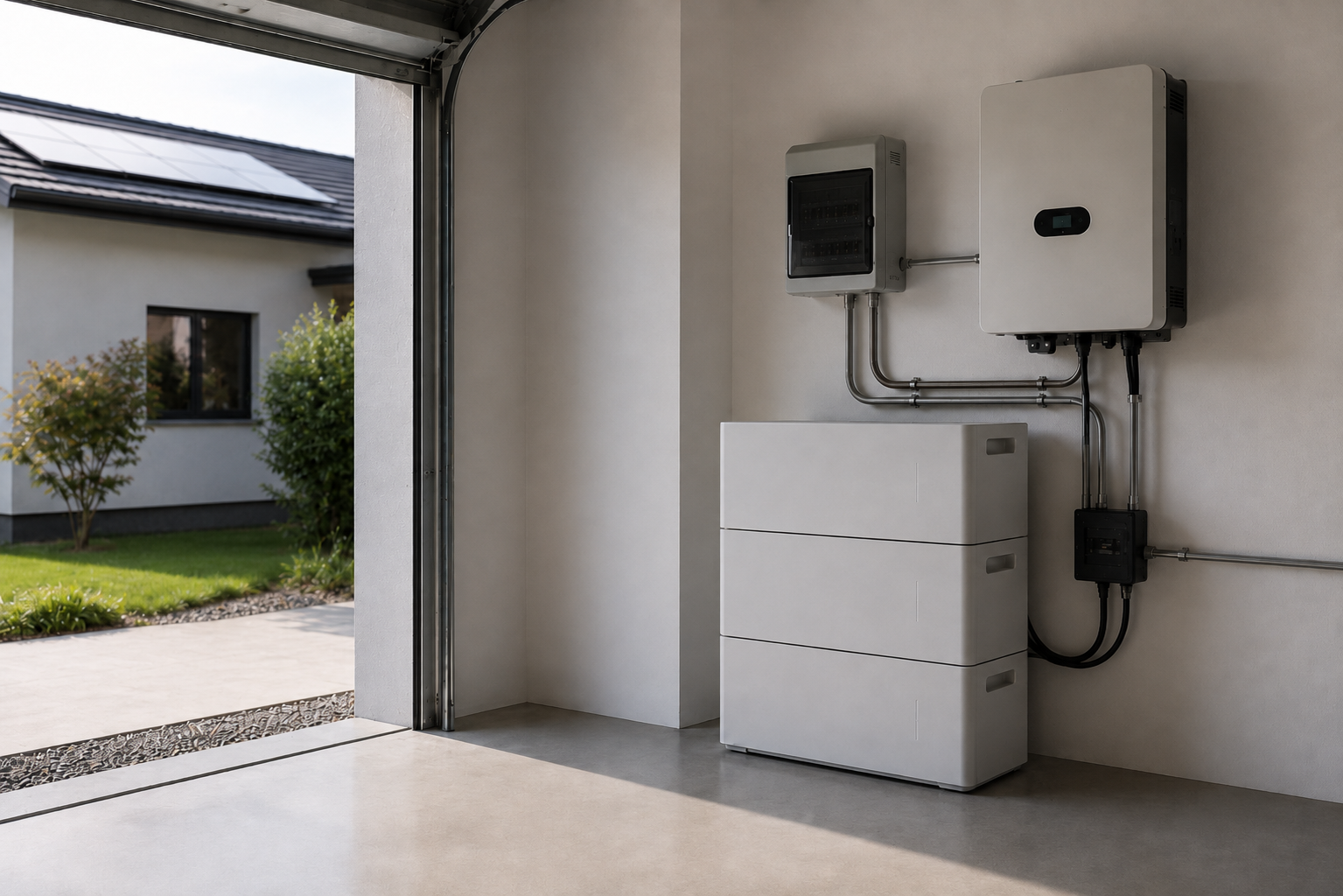
Stores surplus generation for use when the sun is not producing.
Heat Pump
Provides efficient heating and hot water. Compatible controls can prioritise available solar generation where supported.
Property Electrical System
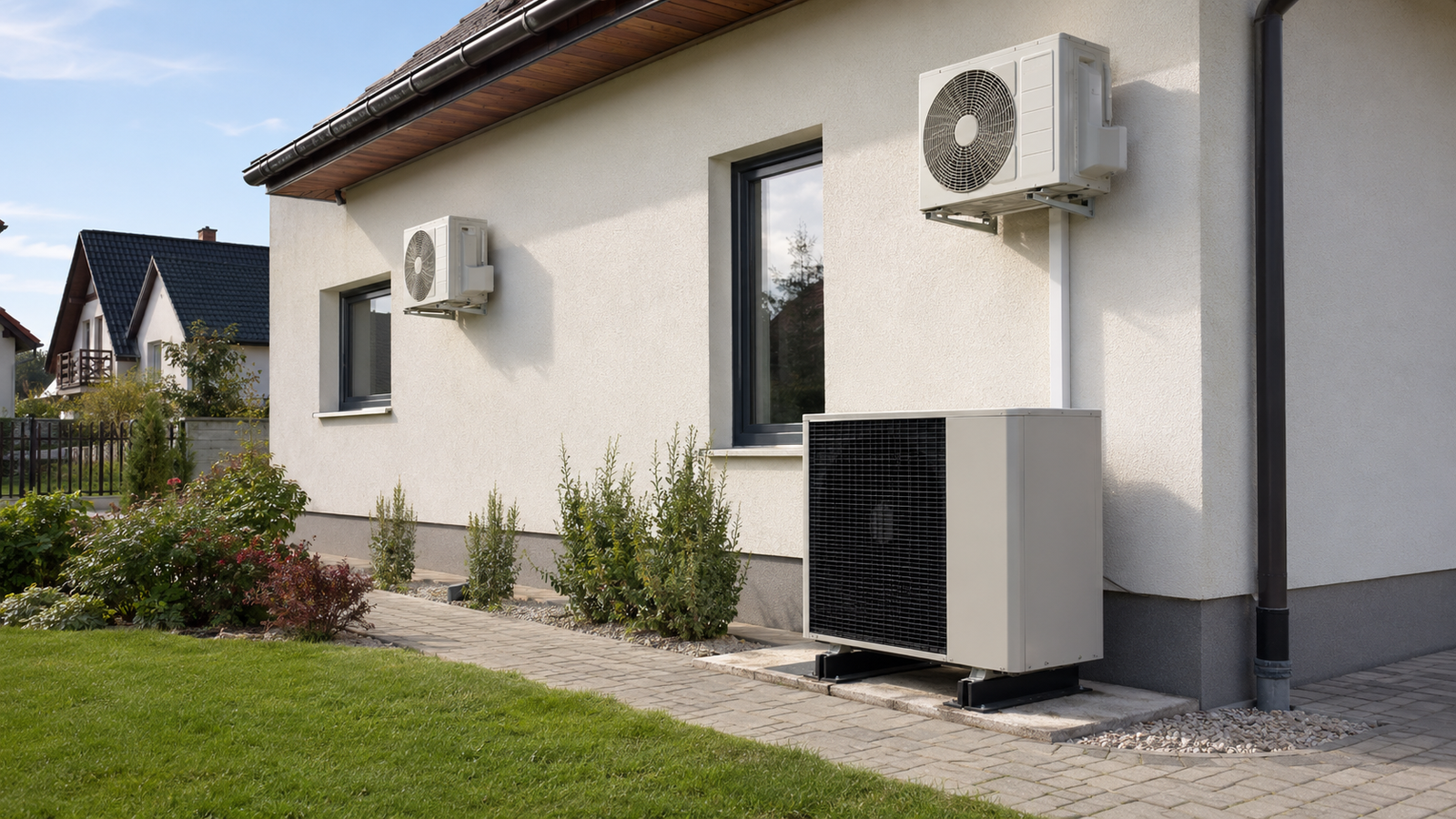
Consumer unit, metering and cable infrastructure planned for all technologies from the start.
EV Charger
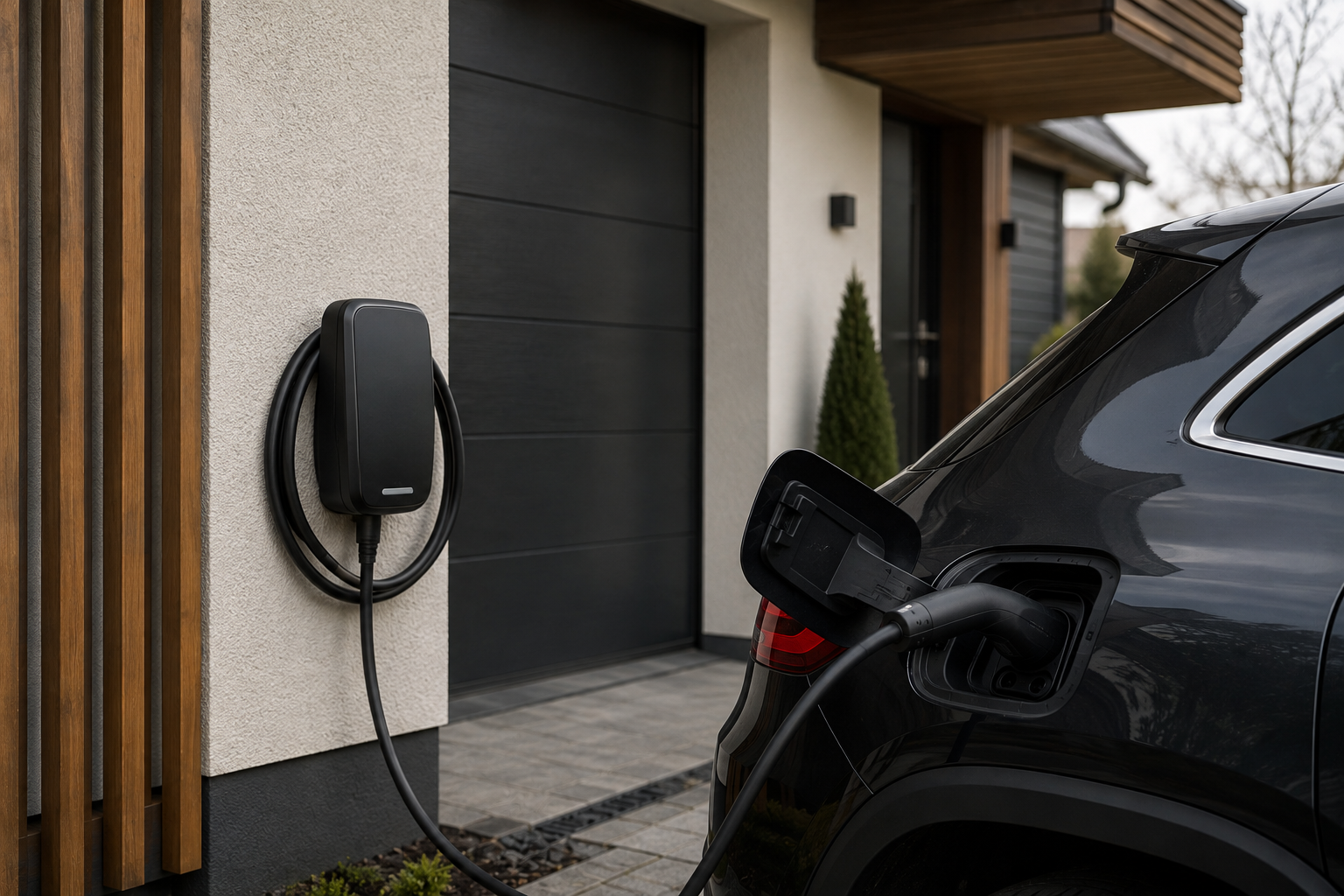
Compatible smart chargers can use surplus solar generation and adjust charging to available power and household demand.
Monitoring
Compatible monitoring platforms can display energy generation, consumption, storage and grid import or export in one interface.
Grid Connection
Compatible batteries and chargers can be scheduled around applicable electricity tariffs, subject to equipment capabilities and local requirements.
Hot Water Cylinder
Where suitable equipment and controls are installed, surplus solar generation can be used for water heating.
Design my integrated system →

Integrated home energy scenarios

Every system is designed for the specific property. These are not fixed bundles — they illustrate how the technologies work together.

Most popular
Solar + Storage
Generate and store surplus electricity for evening use, reducing reliance on grid electricity.
From £13,500
Explore this combination →
EV owners
Solar + EV Charging
Use available surplus solar generation to charge your vehicle. Compatible smart chargers can adjust charging output according to generation and household demand.
From £10,000
Explore this combination →
Heat & generate
Solar + Heat Pump
Solar generation can offset part of the electricity consumed by a heat pump, depending on seasonal generation and heating requirements.
From £21,000
Explore this combination →
Three-system
Solar + Battery + EV
Coordinate solar generation, battery storage and EV charging to increase self-consumption and potentially reduce vehicle charging costs.
From £16,500
Explore this combination →

Prices are indicative estimates for the European market, excluding applicable local VAT. UK quotations may be provided in GBP. Final pricing is subject to a site survey, technical assessment and confirmation of project requirements.

Not sure where to start?

The Solution Finder takes under two minutes. Answer a few questions about your property and energy use to identify which technologies are worth assessing.

Start the Solution Finder →
✓Your property type and location
✓Current heating and electricity use
✓Technologies that apply to your situation
✓Priority outcome (bills, independence, backup, heating)

Five things that define a well-planned energy project.

01
Property-first design
No two properties have the same roof geometry, heat loss, electrical capacity or energy demand. System configuration is derived from the property, not assumed from a brochure size.
02
Multi-brand equipment
Products are compared by technical compatibility, warranty terms, country availability, installation requirements, software support and total project value.
03
Already purchased equipment
Equipment already owned or supplied by another vendor can be reviewed for compatibility, warranty conditions, documentation completeness and installation suitability.
04
Staged installation
You do not need to install every technology at once. Planning the infrastructure from the outset can reduce the need for additional electrical work or equipment changes when further systems are added.
05
Clear scope
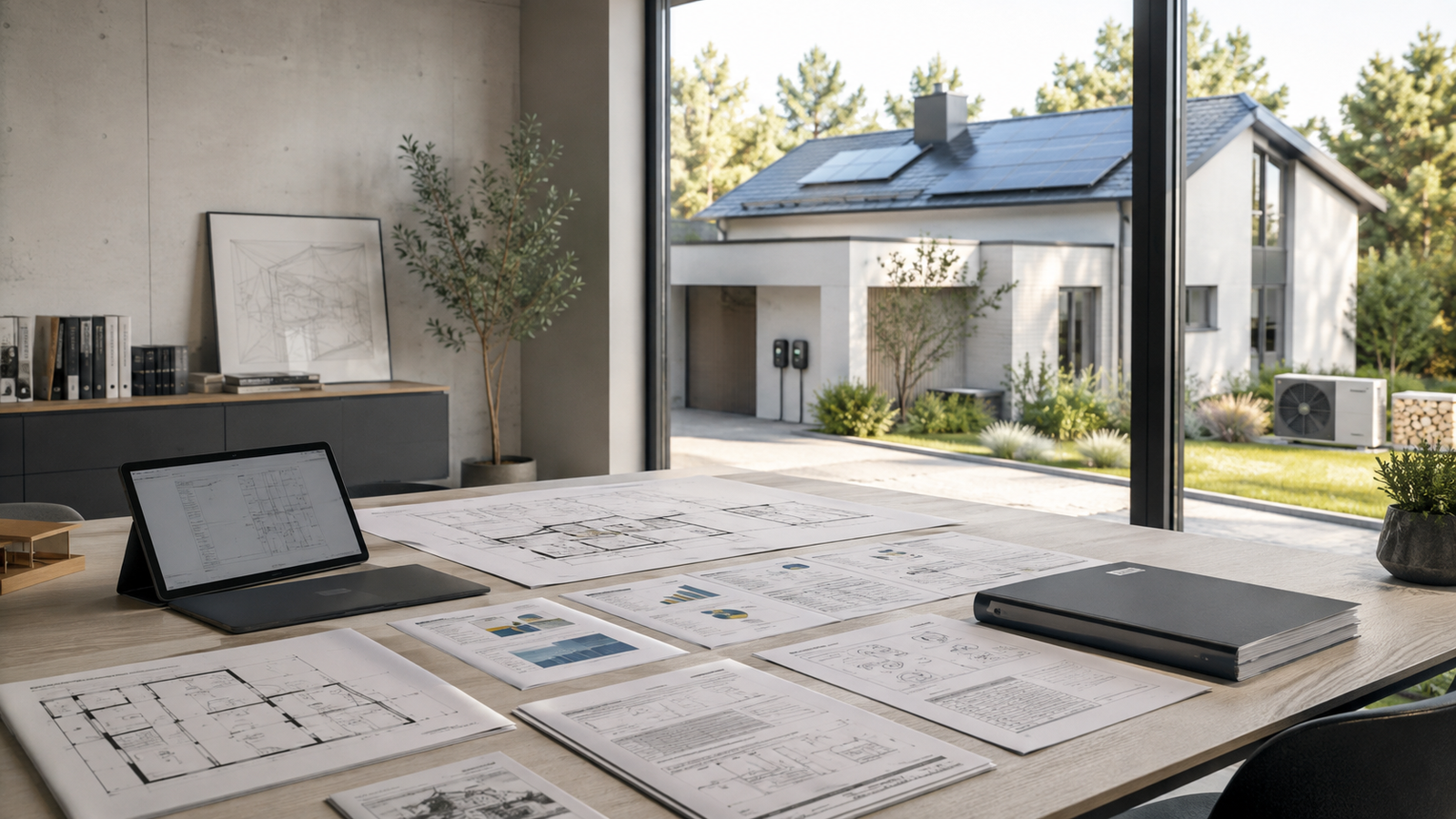
A professional project proposal explains the system, assumptions, exclusions, electrical work, controls, documentation, warranties and aftercare before installation begins.
Professional solar installation

From first enquiry to commissioned system.

01
Initial enquiry
Share property details, energy use and technology interest. The enquiry is reviewed and a project route confirmed.
02
Property assessment
Roof condition, electrical supply, heat loss, shading, metering and site-specific factors are reviewed on or off site.
03
System design
A project-specific configuration is produced — capacity, equipment options, electrical design and phasing plan.
04
Equipment selection and quote
Equipment is selected by technical compatibility and project value. Indicative pricing is confirmed with full project scope.
05
Installation
LUMIXIS delivers the project. Installation is carried out by our crew or a vetted local partner.
Where MCS certification, Part P registration, F-Gas certification or other local authorisations are required, LUMIXIS appoints appropriately qualified and certified installers or contractors. LUMIXIS itself does not hold these installer certifications.
06
Commissioning and handover
Relevant testing and commissioning are carried out by appropriately qualified professionals. Required documentation, compatible monitoring systems and agreed aftercare arrangements are confirmed at handover.

Evidence-based planning, not sales assumptions.

80–90%
Potential solar self-consumption with battery storage
With suitable system sizing and household consumption patterns, battery storage can significantly increase solar self-consumption. Actual results vary depending on the property and system configuration.
20–40%
Potential electricity savings vs resistance heating.
Heat pumps can reduce electricity consumption compared with direct electric resistance heating. Actual savings depend on system efficiency, property characteristics and operating conditions.
Year 1
When EV tariff savings are often visible
Smart EV chargers can reduce charging costs by scheduling charging during lower-cost tariff periods. Actual savings depend on the electricity tariff and charging habits.
1 design
For all four technologies together
Coordinated infrastructure — cable routes, consumer unit capacity, metering points — avoids costly rework when systems are added later.

The equipment categories we work with.

No single brand is mandated. Equipment is selected according to project requirements, technical compatibility, local availability and the applicable commercial arrangements. References to manufacturers indicate equipment options that may be considered and do not imply an official partnership, certification or endorsement unless expressly stated.

Solar Panels
Monocrystalline N-type, HJT, HIT and PERC modules from REC, AIKO, LONGi, Trina, SunPower and others. Inverter compatibility reviewed for every project.
Solar panel details →
Battery Storage
High-voltage and low-voltage systems. Modular and integrated options from Tesla, Huawei, BYD, sonnen, GivEnergy and others.
Battery storage details →
Heat Pumps & AC
Air-to-water heat pumps from Vaillant, Daikin, Panasonic, Viessmann, Mitsubishi, NIBE and others. Air-to-air systems for room-by-room heating and cooling.
Heating & cooling details →
EV Chargers
Single and three-phase smart chargers with solar surplus, tariff scheduling and load management from Zaptec, myenergi, Wallbox, Ohme, Hypervolt and others.
EV charger details →

Common questions

Can you install equipment I have already purchased?
Potentially. We first review the exact product, documentation, warranty conditions, electrical compatibility, software support and local installation requirements. Installation is confirmed only after the technical review is complete.
Do you work outside the United Kingdom?
Yes, in selected European markets including Germany, Italy, Poland, Switzerland, Slovakia, Netherlands, Austria and Belgium. Country availability and installer requirements are confirmed during the initial enquiry.
Do I need all four technologies at once?
No. Systems are commonly installed in stages. Infrastructure — cable routes, consumer-unit capacity, metering points — can be prepared in advance so that additional technologies can be added without rewiring.
What information is needed for an initial assessment?
Property location, approximate annual electricity use, roof information (for solar), current heating system, future EV plans, recent energy bills and photographs of relevant areas are useful starting points.
How are products selected?
Products are compared by technical compatibility, warranty terms, country availability, installation requirements, software support and total project value. No single brand is mandated.
How long does installation take?
Single-system installations typically complete in one to two days. Integrated projects covering multiple technologies are phased and may span several weeks depending on complexity and grid connection timescales.
What happens after installation?
Monitoring is set up, documentation is handed over and an aftercare route is confirmed. Warranty and aftercare terms vary by product and installer.
More questions? Read the full FAQ →

Design your home energy system.

Share your property details and energy goals. We will review the suitable system scope and next technical steps.